How to Use: The “2 Sounds of ‘ea’” Worksheet
Hey guys! Welcome back to the blog. Today, we are tackling one of those phonics topics that always makes kids pause and look at you completely confused.
Picture this, your little reader finally learns that the letters e and a come together to make a long e sound like in the word meat. They are feeling super confident, zooming through their sentences, and then suddenly they hit the word bread. They read it out loud as breed, look at the picture, and realize it makes absolutely no sense!
Let us be honest, English can be so tricky sometimes. The letter combination ea is famous for pulling this double duty. Sometimes it says its name with a long vowel sound, and sometimes it surprises us with a short e sound.
To help my students go beyond just guessing or trying to memorize a massive list of rules, I put together a super simple print out called the 2 Sounds of ea Worksheet. Here is a step by step guide on how I use this in my lessons to help kids actually feel the difference between these two sounds, plus a fun game to tie it all together!
📝 Step 1: Write and Complete
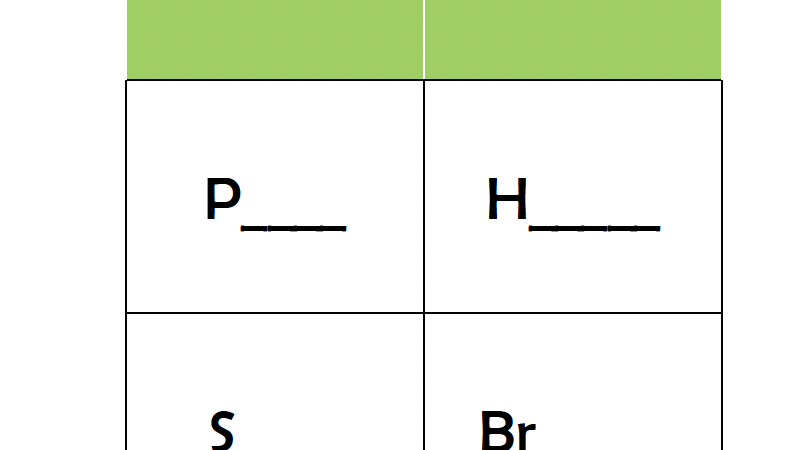
We always want to start by getting hands and eyes moving together. When you first hand out the worksheet, have your student fill in the blank spaces to complete the vocabulary words. This gives them a chance to practice their spelling while seeing the ea chunk right next to different starting and ending letters.
Here are the target words we focus on in this specific activity:
💚 Long ea words: Pea, Sea, Tea
💛 Short ea words: Head, Bread, Thread
As they write the letters, encourage them to say the letters out loud. It is a fantastic way to build up their visual tracking and get them used to seeing how these words are structured on the page.
🗣️ Step 2: The Sound Switch
Once all the words are written down, it is time for the most important part of the lesson, the pronunciation check. I like to call this the Sound Switch because we are going to practice flipping our mouth shapes back and forth.
To make this super easy for young learners to understand, we break the sounds down by how our mouths feel when we say them:
👄 The Long ea Smile Sound: Tell your student to pull the corners of their lips all the way back into a giant, happy smile. Hold that shape and make a long, clear sound like in the word eat. Let them practice saying Pea, Sea, Tea while keeping that big smile on their face!
🛌 The Short ea Relaxed Sound: Now, tell them to completely relax their mouth, drop their jaw just a tiny bit, and make a quick, short sound like in the word bed. Have them practice saying Head, Bread, Thread with a totally loose, relaxed face.
Quick Teacher Tip: Visualizing the physical movement makes a world of difference! Remind them that the Long sound is like a big happy grin, while the Short sound is just a quick, lazy exhale. When they get stuck on a word later, you can just smile at them or relax your jaw as a silent physical cue, and they will usually correct themselves instantly!
🕵️♂️ Step 3: Play the Sound Detective Game
After practicing the mouth shapes, do not just close the folder and call it a day. Turn the worksheet into a fast paced, interactive game to make sure the learning really sticks!
- The teacher or parent calls out one of the words from the worksheet list at random.
- The student acts as a Sound Detective. Their job is to listen carefully to the vowel sound and point to the correct column, either Long or Short, as fast as they can.
- Once they get the hang of it, start speeding up your voice!
Calling out the words faster and faster keeps the energy super high and forces them to rely on their listening ears. It helps them instantly recognize the vowel sound without having to sit there and think too hard about the rules.
🎨 Extra Tips for Teaching Visual Learners
Because this worksheet uses a clean, side by side layout, it is a really powerful tool for showing kids that the exact same letters can make totally different sounds depending on the word.
To take this a step further and lock it into their visual memory, grab two markers or crayons when they finish the game. Let them color code the words! You can use blue for the chilly Sea and Tea long vowel words, and bright red for the short vowel words. This simple coloring step creates a strong visual anchor in their brains, making it much easier to recall the patterns when they see them in regular storybooks.
📥 Grab your free worksheet below!
Ready to help your little readers master this tricky vowel team? Click the link below to download the high resolution, print ready PDF for your next home or classroom lesson!
[ Download the Free 2 Sounds of ea Worksheet ]
Do your kids struggle more with the long sound or the short sound of ea? Let me know your experiences or any fun tricks you use in the comments below. Happy reading! 💕